
Running watches have come a long way. Today, a device on your wrist can track pace, mileage, heart rate, sleep, recovery, training load, heart rate variability, and more. Some watches even give runners daily readiness scores and recommendations about how hard they should train.
There is no question that this information can be useful. Wearable technology is so firmly established that the American College of Sports Medicine ranked it the top fitness trend for 2026, with data-driven technology also making the top 10.
But with more information available than ever before, runners may need to ask themselves an important question:
Are we using the data, or are we letting the data control our training?
Your Watch Is a Tool, Not a Coach
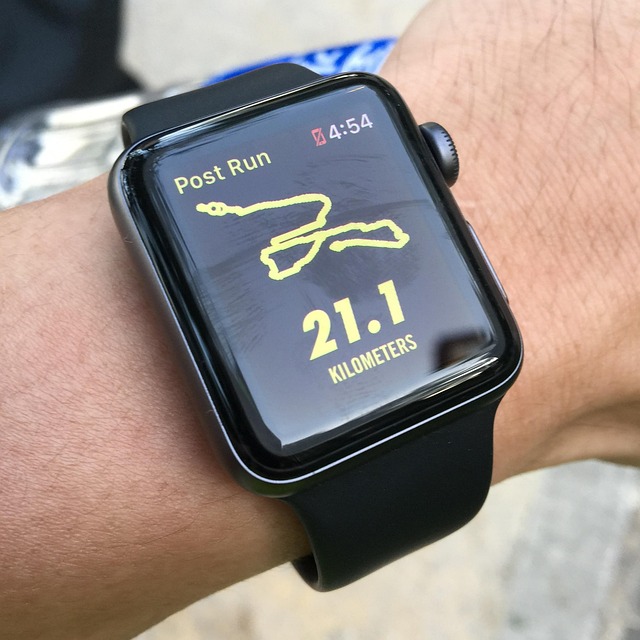
Training data can help runners recognize patterns, monitor progress, and understand how different workouts affect their bodies. Research supports using wearables for things such as monitoring running speed, cadence, and overall training load.
But a watch only sees part of the picture.
It does not fully understand how stressful your workday was, how you are feeling emotionally, whether your legs have felt unusually heavy for several days, or whether life circumstances have left you exhausted.
Wearable measurements also aren’t equally accurate for every metric. Research evaluating consumer wearables has found that accuracy can vary depending on what is being measured and the device being used.
Numbers provide information. They shouldn’t replace awareness of how your body actually feels.
More Mileage Isn’t Always Better
One number runners can easily become obsessed with is weekly mileage.
Mileage matters when building endurance, particularly when preparing for a marathon or ultramarathon. But a bigger weekly total does not automatically mean better training.
The body needs time to adapt to increased workload. Research into running injuries has found some evidence linking sudden changes in training load with greater injury risk, although researchers have also noted that there is no single proven mileage-increase rule that applies to every runner.
Instead of chasing a number because your training plan or watch says you should, focus on building gradually and consistently.
A sustainable 30-mile week followed by another productive week may ultimately be more valuable than forcing 45 miles, becoming overly fatigued, and then missing several days of training.
Consistency Beats the Occasional Monster Week

It can be tempting to look at a high-mileage week as proof that training is going well.
But endurance is built over months, not during one impressive week.
Consistency allows the body to adapt to repeated training. That means finding a workload you can maintain while still recovering properly.
It also means accepting that training won’t look identical every week. Work, family responsibilities, travel, illness, stress, and countless other factors can affect what your body can handle.
The goal isn’t to make every week bigger than the last.
The goal is to keep showing up.
Recovery Belongs in Your Training Data Too
Runners tend to track miles much more enthusiastically than they track recovery.
But the workout is only the stimulus. Recovery is when the body has the opportunity to adapt.
Sleep, nutrition, hydration, rest days, and everyday stress all influence recovery. If those areas are struggling, adding another hard workout may not provide the benefit you expect.
This is also where simply following a readiness score can become problematic. A watch may say you’re prepared for a demanding workout while your body is telling you something different.
Research on athlete monitoring has found that subjective measures such as perceived stress, fatigue, and overall well-being can provide useful information alongside objective measurements. In some research, subjective measures were actually more sensitive to changes in training load than commonly used objective measures.
In other words, how you feel matters too.
Every Workout Should Have a Purpose
Not every run needs to be longer, faster, or harder than the previous one.
Different workouts have different jobs.
Long runs develop endurance. Easy runs allow runners to accumulate mileage with less stress. Hills can build strength. Speed sessions develop different aspects of performance. Recovery runs should actually allow recovery.
Strength and mobility work also belong in a well-rounded training program. Becoming a stronger runner isn’t only about improving cardiovascular fitness. Building strength and maintaining mobility can help runners become more durable as training volume and race distances increase.
Instead of asking, “How impressive will this workout look on my watch?” ask, “What am I trying to accomplish with this workout?”
That simple change in perspective can lead to much smarter training.
Learn to Listen Before Looking at the Screen
One of the best skills a runner can develop cannot be measured by a watch: body awareness.
Before checking your recovery score in the morning, consider asking yourself a few questions.
How did I sleep? How do my legs feel? Am I unusually tired? Am I excited to train, or am I dragging myself through every workout? Has my performance been declining despite working harder?
Persistent soreness, unusual fatigue, worsening performance, or simply feeling run down can all be reasons to reassess your training rather than automatically following the next workout on the schedule.
Technology should help you notice patterns—not teach you to ignore what your body is saying.
Train for More Than the Next Finish Line
Ultimately, smart training should be about more than getting through the next race.
Maybe your goal is your first half marathon. Maybe you’re chasing a Boston qualifier, preparing for a 100-mile ultra, or simply hoping to continue running well into your later years.
Whatever the goal, longevity matters.
Use the watch. Learn from the numbers. Track your progress.
But remember that no metric tells the entire story.
Sometimes the smartest training decision is adding a mile. Sometimes it’s shortening the run, doing some strength work, eating a good meal, getting more sleep, or taking the day off entirely.
Living well and finishing strong means learning to use the data without forgetting to listen to the person wearing the watch.
Looking for Support with Your Wellness Goals?
If you’re ready to create healthier, more sustainable habits that support your fitness and your overall well-being, wellness coaching can provide accountability, guidance, and a plan designed around your life.
Contact me at [email protected] to learn more about wellness coaching and how we can work together.